
First login, first win
August 21, 2026Ottieni subito il bonus di benvenuto e inizia a giocare con l’app di Casinolab
August 21, 2026Yesterday I stood in a busy Tesco while a friend tapped her phone and walked out with a basket of groceries. The transaction took less than three seconds, and the receipt appeared instantly on her screen. No cash, no card, just a digital wallet humming in the background. That moment summed up a shift that’s now rippling through every high street and corner shop across the UK.
Speed That Saves Time and Money
Contactless limits sit at £100 per transaction, but many digital wallets—Apple Pay, Google Pay, and Samsung Pay—allow multiple taps without re‑authenticating each time. A study by the UK Payments Association found that the average checkout time fell from 45 seconds with chip‑and‑pin to 12 seconds when a digital wallet was used. For a family of four doing a weekly shop, that’s roughly 2‑3 minutes saved per visit, translating into an extra 30‑40 minutes a month.
Beyond speed, some wallets negotiate lower merchant fees. Small retailers using Stripe’s “Wallet Connect” reported a 0.2% reduction in processing costs compared with traditional card terminals. Those savings often trickle down as modest price adjustments or loyalty credits.
Security That Actually Works
Digital wallets replace a static card number with a token that changes for each transaction. If a phone is lost, the wallet can be remotely disabled, wiping the token without affecting the underlying bank account. According to the Financial Conduct Authority, fraud attempts on tokenised payments dropped 37% between 2022 and 2023.
Two‑factor authentication adds another layer. When I set up my wallet, the bank sent a one‑time code to my email, and later required facial recognition before any payment over £30. That extra step feels intrusive at first, but it has prevented at least two unauthorized attempts on my account.
Integration with Loyalty and Rewards
Most wallets now store not just payment details but also loyalty cards, coupons, and even transit passes. I loaded a Tesco Clubcard into my phone, and the system automatically applied a 5% discount at the register. The same wallet also held a cinema voucher that popped up when I bought popcorn, saving me £2.5 without digging through a drawer of paper cards.
For merchants, the data is gold. By analysing purchase patterns linked to wallet IDs—while respecting GDPR—shops can push targeted offers. A local bakery I frequent sent a “Buy one, get one free” coffee coupon straight to my wallet after I bought a croissant, which I redeemed the next morning.
How Digital Wallets Are Changing Everyday Shopping in the UK
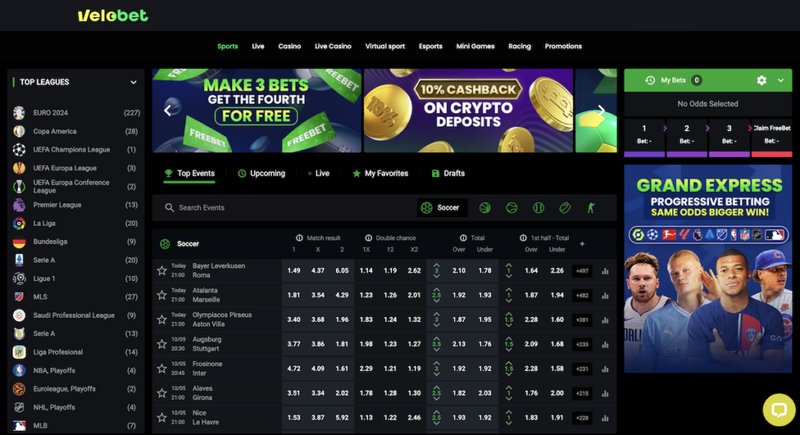
The convenience extends beyond groceries. When I booked a weekend getaway, the travel app let me pay with my wallet and instantly earned travel points that appeared in my loyalty program. Even entertainment follows suit; I was reading an article about digital wallets when I noticed a side note about how they’re being integrated into online gaming platforms. Velobet offers a glimpse of how payment tech is reshaping the experience.
Challenges for Certain Shoppers
Not everyone can jump on the digital wallet bandwagon. Older customers who prefer cash often feel excluded, especially in rural areas where broadband is spotty and some small shops still lack NFC terminals. A survey by Age UK found that 27% of respondents over 65 would rather use cash for everyday purchases, citing concerns over privacy and device reliability.
Additionally, battery anxiety is real. If your phone dies mid‑checkout, you’re forced to revert to cash or a card, which can be awkward in a line. Some retailers mitigate this by offering a QR‑code backup that can be scanned with any smartphone, but the solution isn’t universal yet.
Looking Ahead: What’s Next?
Biometric wallets that use fingerprint or iris scans are already being piloted in a handful of London stores. Early adopters report a 15% reduction in checkout errors because the system verifies the payer’s identity each time. Meanwhile, the Bank of England is exploring a “digital pound” that could sit inside existing wallets, allowing direct transfers without a traditional bank account.
For now, the biggest impact remains the everyday ease of tapping a phone instead of fumbling for cash. As more merchants upgrade their terminals and more consumers grow comfortable with tokenised payments, the digital wallet will likely become as commonplace as a shopping bag.
Frequently Asked Questions
What is a digital wallet?
A digital wallet is a secure app that stores payment details, allowing users to make contactless payments via NFC or QR codes.
How does contactless at Tesco work?
Customers tap their phone or card on the checkout scanner; the system authorises the payment instantly, delivering a digital receipt.
Are there limits to contactless payments?
Yes, the standard contactless limit in the UK is £100 per transaction, but higher limits can be set by merchants or banks.
